RSS Feed

Category Archives: Small House

Cute and little house in the woods.

Trying to fit as much living space — and style — into 500 square feet can be a real challenge.  You can see how that challenge is being met on the Vancouver Heritage Foundation Laneway House Tour on Saturday, October 19.  Get your tickets now for a great afternoon of discovering all the ways designers meet the constraints of building a home in a tightly restricted size limitation.  Our place and one other are the smallest homes at 500 square feet.  Some of the others go up to nearly 1000.  But in every one you will find lots of great decorating and renovating ideas.

Be listening to the Home Discovery Show Sunday morning, October 13, for a chance to win tickets to the tour!

Far away from Vancouver’s urban densification, homeowners outside of Golden, Colarado found themselves with a similar dilemna.  They wanted to build a studio/guest house close to their main dwelling, up in the Rocky Mountains.  But they were restricted by building codes to build in the footprint of a recently-demolished shack — to just 500 square feet.  And they wanted the new structure to fit in with the rustic style of their existing residence.

As this story in Houzz shows, the answer was a delightful little “Hobbit House” seemingly growing out of the granite of the hills.

Rustic Exterior by Golden Architects & DesignersTKP Architects pc

From the quaint rounded front door to the slate roof, every detail was carefully planned and executed.  Guests can make themselves at home in a loft bed

Rustic Bedroom by Golden Architects & Designers TKP Architects pc
Or a Murphy bed
Rustic Bedroom by Golden Architects & Designers TKP Architects pc
And the “kitchen” is actually a studio for the owner, a jewellery designer
Rustic Living Room by Golden Architects & Designers TKP Architects pc
There’s a modern bathroom that still fits the quaint esthetic (a custom concrete sink keeps the theme going).
Rustic Powder Room by Golden Architects & Designers TKP Architects pc
And the fireplace and open beams are a perfect way to incorporate “Hobbit” charm. The mullioned windows along one side are actually doors that slide open to the deck.
Rustic Living Room by Golden Architects & Designers TKP Architects pc
Once again we see that good design can overcome site difficulties.  Who wouldn’t want to make their way to this guest house after a day of hiking or skiing?
Rustic Exterior by Golden Architects & Designers TKP Architects pc

We will live a well-insulated life in our laneway

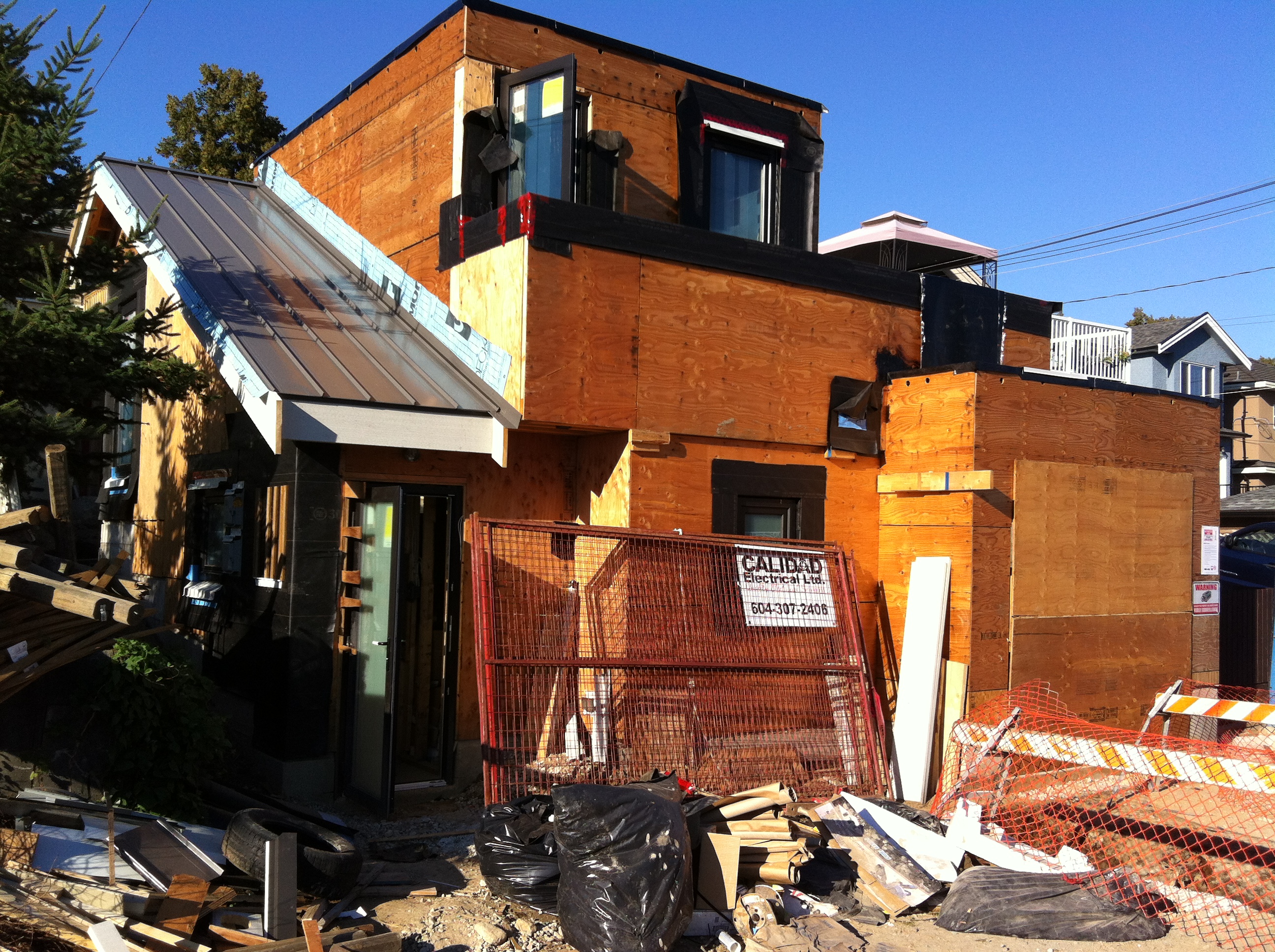
The laneway house is now on an accelerated completion schedule.  Because we have to be ready for the Vancouver Heritage Foundation‘s Laneway House Tour, we will be working hard to present a nice looking, almost-finished house to the participants. And by “we” I mean our builders.

So it was good to meet with Laurel and Angelito from Novell this week to see what’s happened and talk about what will be happening.

The rain-screening is complete on the exterior and just needs the sign-off from the home warranty inspector before the Hardie Board goes on.

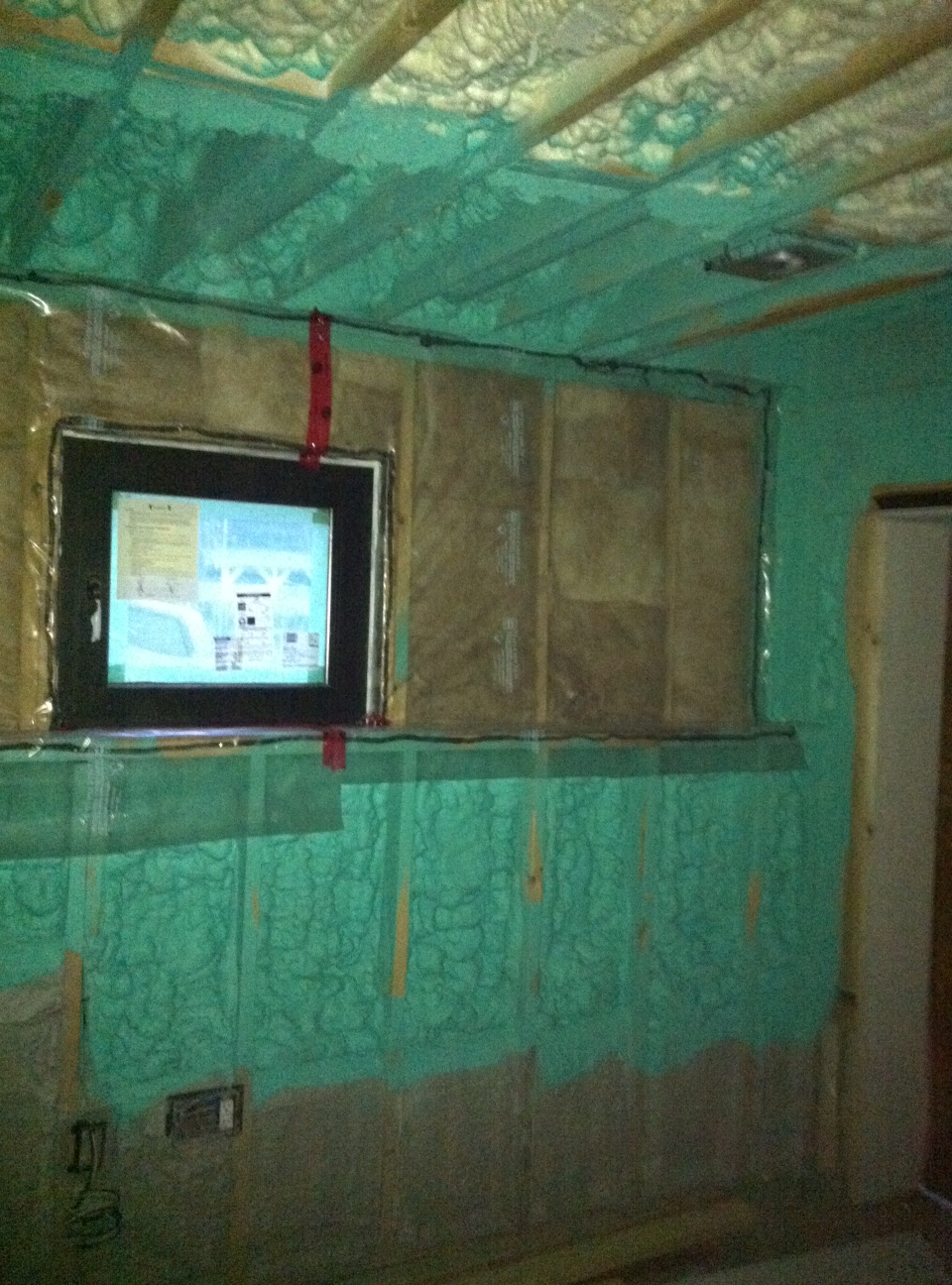
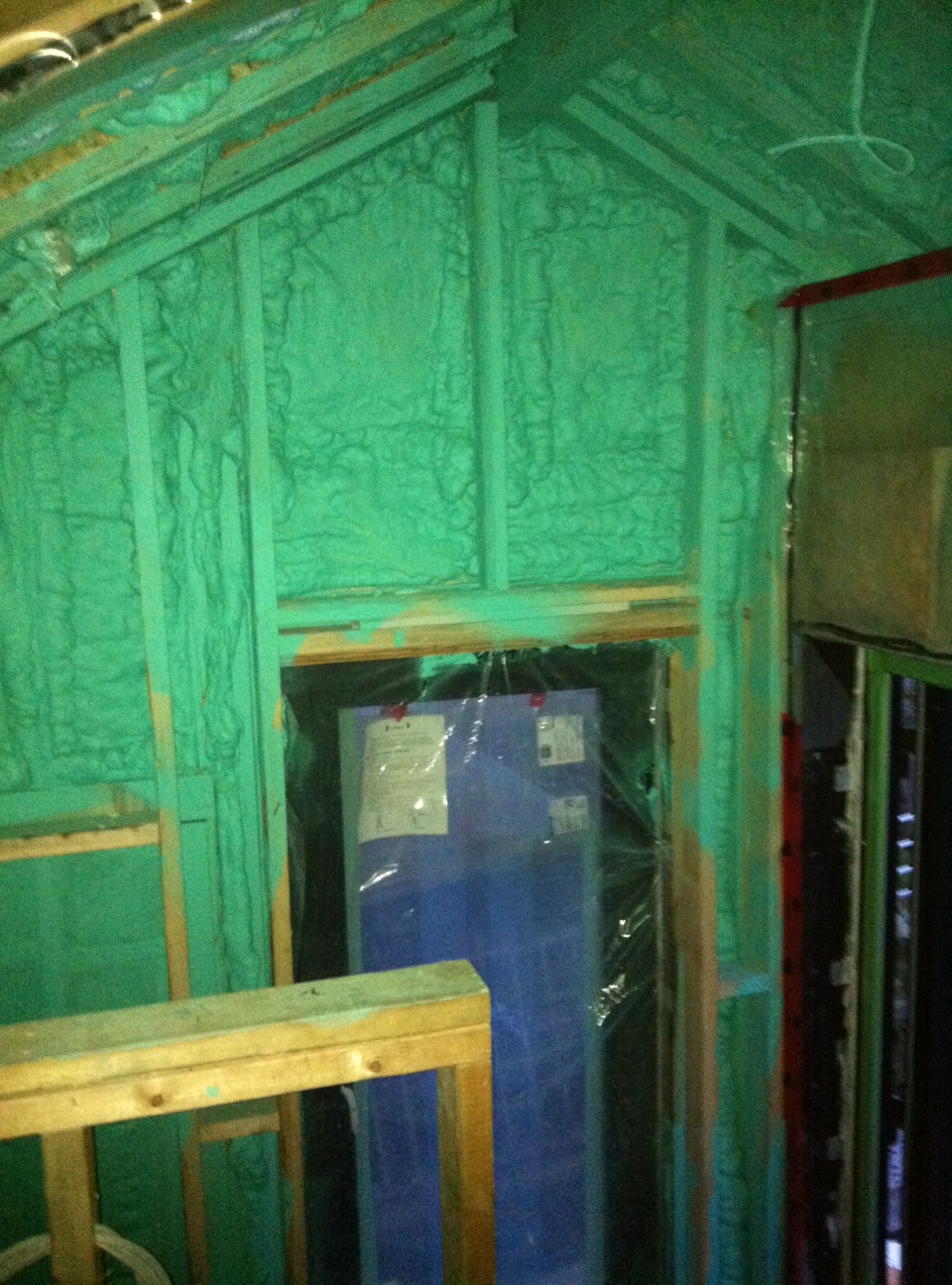
The interior has all been insulated — and well-insulated, too.  We have a combination of batten and spray foam.

Here's a combination of batten and closed-cell spray foam

Here’s a combination of batten and closed- and open-cell spray foam

Here is batten above and open-cell spray foam below.

Here is batten above and closed-cell spray foam below.

Upstairs you can see the south-facing wall and the ceiling/roof:

20131004UpstairsSouth

Here’s the gable over the stairs with spray foam.

20131004Gable

And here’s what’s going to keep us toasty in our shower:

20131004Shower

You can see the packages of tiling here — ready to be installed once the special water-resistant drywall is in place.

The spray foam is a combination of open-cell and closed-cell.

Monday we will meet with the landscaper.  There’s not a large area to be landscaped, but we want it to be extra nice, for ourselves of course, but also for the people in the Main House and for the neighbourhood.

Next week we’ll see huge changes:

  • drywall
  • hardscaping
  • by Friday – tilework to start / doors installed / green roof and deck tiles installed

After Thanksgiving (Canadian Thanksgiving is the second Monday in October) we’ll see even more changes:

  • flooring
  • cabinets and appliances
  • smart garage door
  • plumbing and electrical finish

It may be a little cool in the house for the tour, Fortis isn’t scheduled to come in until October 22 to hook up the natural gas for the heating system, and we probably won’t have the counters installed in the kitchen.  But for the most part we will have a completed house.

If it takes a village, well, we’ve got one

Over 1000 permits have been issued in Vancouver for laneway houses.  That means if we were all gathered together, we would have a real village of laneway homes!  A community of people living in laneway houses!

As our mayor says:

“Whether for students, aging family members, or young people looking to live close to home or new job opportunities, Vancouver’s successful laneway housing program is creating more affordable and sustainable housing options in single-family neighbourhoods and contributing significant new rental housing,” said Mayor Gregor Robertson in a news release.

Whether you’re building for family members:

Michael Lyons, vice-president of marketing for Smallworks, a builder of laneway homes in Vancouver, said last year that at least half his customers are building the small houses at the back of their lots for the next generation.Read more: http://www.vancouversun.com/business/Vancouver+boasts+more+than+laneway+house+permits/8976018/story.html#ixzz2gX3ercl9

Or for rental

Many laneway homes rent for around $1,500. That is an excellent mortgage helper. Throw in the odd illegal basement suite or two (that are littered all over the city) and you have a house that generates close to $3,000 in income per month.

Laneway homes are proving to be more and more popular.

In fact, Comox is deciding to join the laneway revolution.  But they call their ADUs “coach homes”.

Comox council has passed two bylaws that establish the general guidelines and principles for the development of coach houses in residential homes.

It’s time to embrace the idea of “gentle densification”.  It’s time for a city of laneway houses.

Or better still, a global village of laneway houses. Perth, Australia, is embracing laneway life.

We’re hooked up!

We have connections!  The water is hooked up to our laneway and the main house has a new and improved water connection which should solve their low-pressure problems.

On the way to getting it done the city made a big hole full of ugly in the lane:

20130912WaterBut at least we have water and can move forward.  The back yard will need to have the trench filled in and then be levelled before it can be planted with grass soon if we are to capture the rain that will be coming.

DH took another “time lapse” shot of the place:

LWHTime9Looks different than 18 weeks ago:

LWHTime2Just 12 weeks to go!

Would you like to OWN a laneway house?

Don’t you love going to home and garden design shows?  You walk into a large hall, someone hands you a reusable shopping bag, and you walk out with a lot of brochures and information on how to live beautifully.

Well, at this year’s IDSwest show, September 19 through 22 at Vancouver Convention Centre West, you could walk out with a lovely new laneway home.

It’s in support of Alzheimer’s research, and you, too, could own a snazzy, carefully designed laneway home.

And while you’re at the show, be sure to check out the living roof on the convention centre.

Would you like to live in a laneway house?

Seriously, would you like to try it?  One of the great things about laneway homes is that people can build them on their property to rent out.  To you????

Reading the Vancouver Sun online,  I saw this story on laneway homes available to rent in the city of Vancouver, including one in our very own neighbourhood.

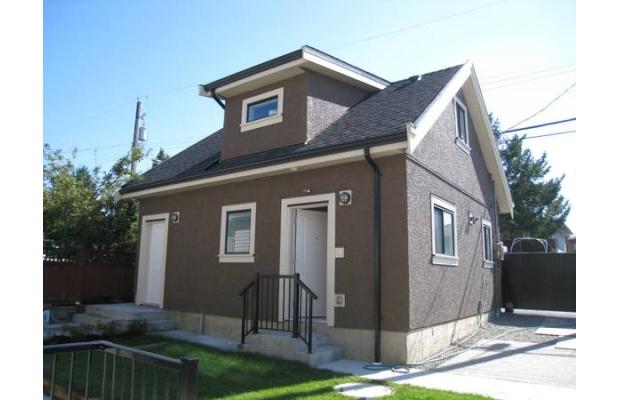
RenfrewLanewayThese are all nice homes, well-built and well-designed, comfy and yet with enough storage for most people.  They range in price from $1100 (for less than 500 square feet) to over $2,000 (for 700 square feet or more) which may seem high for a lot of people, but the rental situation in Vancouver means that these homes are quite reasonably priced.  In the larger homes, two bedrooms mean that two room mates can split the rent.

A detached home in this town comes at a high rental price.

Is laneway living for you?  Would you like to give it a try?


Day 123 — a meeting with the builders

We always get so much accomplished when we meet face to face with our designer and builder from Novell. Last evening Angelito took us through the place and showed us where work had been accomplished over the past two weeks.

20130905TorchOnDeckOn the deck the lights have been installed and the torchon applied.  In fact, all the torchon has been applied to the flat roof areas, too.

20130905TorchOn

Here’s the area that will hold the living roof right off the deck.  That’s a kitchen window you see to the left.

We really noticed the difference inside between the roof with the torchon and without.  Previously there was a small lake in our downstairs bedroom from the heavy rains we’ve been getting.  Now everything inside is nice and dry.

The living roof is nearly ready for us — but we are not ready for it.  A few weeks of work have to be finished.

Inside all the wiring is done.  Plus the sprinkler system is installed.

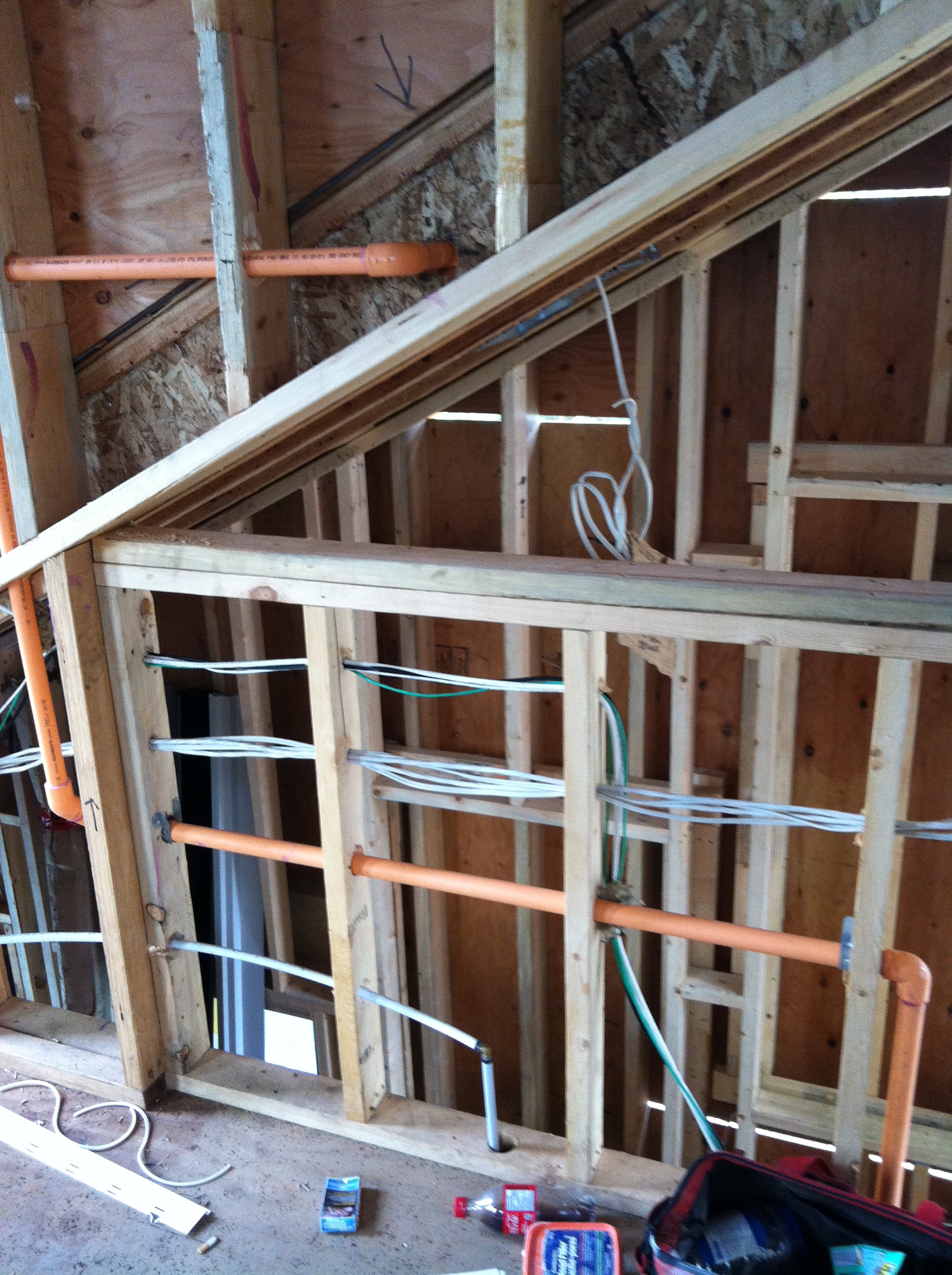
20130905UpperStairwellWiringWe have electrical wiring for the lights, low voltage wiring for the AV (with speakers in the ceiling), and more low voltage wiring for the alarm system.  It’s going to be so good to have all this hidden behind the drywall.

20130905SpeakerHousingsDownstairs we see where the pocket door is going to go to close off the closet and bathroom from the hallway.  I’ll have my own private dressing area!

20130905PocketDoorThen we sat down with Laurel to talk about finishes.  It’s surprising how much there was to discuss when we have narrowed down the choices already.  The cabinet finish (walnut, with the grain on the horizontal), the floor (a grey-brown engineered floor), and the trim (very plain, baseboards only, no crown trim).  We chatted a bit about the paint colours.  And we chose the tiles for the bathroom. Two by two grey-brown for the floor, two by six white subway tiles for the shower and white hexagonal tiles for the shower floor and niche.  We did talk about putting in larger tiles on the floor, but we love the non-slip aspect of the smaller ones, especially since we will be aging in place and safety is a big consideration.

We also talked about the window covering.  This is going to be tricky because the windows go right to the ceiling, plus they open to the inside, so we may be going in a totally different direction than we had thought.

What’s next?  Well the sheathing inspector just wants to see a letter from the engineers about the torchon (we think he is being extra picky about the living roof, a reasonable consideration) and then he’ll sign off.  The water has to be connected before the drywall is put on, but I talked to the city last week (didn’t contact the Mayor’s office as had been suggested, just the Engineering office) and they were pretty sure the water and sewer would be connected early next week.

Then there will be insulation (a combination of spray foam and batting).  Then the drywall!  What a difference that will make.  Everything is on track for the millwork, and the lights are on order.

A great meeting and we continue to be thrilled and excited!

Decorating a small space for the most impact

While we wait for the laneway to be completed, we are working hard to make sure we have all the decorative components ready to install when the time is right.

We are challenged by the small space, of course, but we know we can have a smart looking home — a jewel box of a house — with lots of special decorating touches.

This article at Apartment Therapy sums up the challenges and offers some rules to follow:

1. Don’t be afraid of drama.  We are counting on our lighting to add a real punch to our spaces.  Already on hand are the sputnik light for the bedroom.

sputnik2

I’ve always liked the idea of a chandelier hanging over the end of the bed — but we needed one that would fit in with our mid-century modern decor.

The kitchen will have a saucer lamp, another icon of mid-century modern.

lampsaucer2

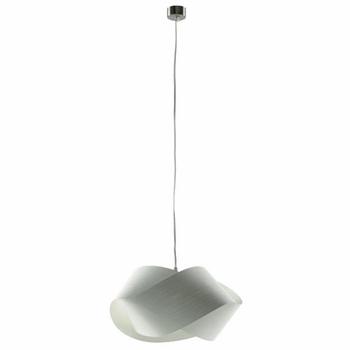
and of course, there’s the nut lamp to hang over the garden door.

nutlamp

2. Use every nook and cranny. And

3. A place for everything and everything in its place.

This is a no-brainer as far as I’m concerned.  A lot of people like open shelves in their kitchens, and I can see their charm.  But our kitchen is also our sitting room, so we are putting everything we can behind closed, walnut-clad doors.  Including our appliances that would ordinarily sit out in the open, which we are putting in an appliance garage.

Another handy rule:

6. Install wall-mounted shelves.

Our designer has planned for built-in shelves along the wall beside the staircase.  These will serve not only as the repository for books and family pictures, but also as a “landing strip” for our keys and the mail when we come in the door. We’ll put baskets or decorative boxes to hold them out of eyesight but close at hand.

7. Bring in as much natural light as possible.

Another no-brainer.  We are challenged in this regard by the slope of the lot that the home is built into — we have limited access for putting in windows.  It worked out for us as we want our “quiet, dark” bedroom downstairs.  Upstairs we put in windows wherever we could, a glass door out to the deck, and even a window between the upper cabinets and the counter.

8. Use multi-functional furniture.

Our bed will have storage underneath, and we are putting in drawers in our bottom stairs in the hall, so we get this message loud and clear.  We are also looking at how we can have storage put into an ottoman for our sitting room area.

Good ideas all, read the whole article for more great suggestions.  And stay tuned for more news on our decor!

Rue Britannia?

I embrace the idea of living in a small home — I’d be an idiot not to, when I’m going to be moving into less than 50 square metres of living space in a few months.

I don’t pretend it’s for everyone, but it’s perfect for me and mine and for many others.

So I was quite surprised when I read several articles from British newspapers disparaging the trend for smaller houses, calling them “rabbit hutches”; and decrying the decreasing size of houses and apartments in the UK.

According to this Guardian article by Penny Anderson,

The UK has the smallest new-build houses in Europe

a situation she called a “crisis”.  I could almost see her point.  Although her OpEd piece is rich in hyperbole and short of actual statistics, according to her anecdotal info many homes are too small to live in.

miles of single-fronted new-builds with awkward open-plan kitchen/diners/spare rooms/lounges, almost entirely free of storage. Then there are converted homes in older buildings situated in desirable areas where the market is febrile, which are often the worst low-space offenders, with bathrooms or even kitchens, squeezed into what used to be cupboards, and the original bedrooms sliced in half.

Apart from giving me a new word (febrile = feverous), she paints an ugly picture indeed.  Rapacious builders squeezing every square inch of living space out of small plots of land “to maximise profit”. “Bedrooms … as cramped as prison cells”.

Even the hard facts in this Telegraph article seem to bear her out.

Of the 2,500 owners of private new homes who were questioned, 57 per cent said there was not enough storage space, 47 per cent said there was not enough space for furniture and 35 per cent said there was not enough kitchen space for appliances such as toasters and microwave

Newer houses are definitely smaller than the traditional detached home, as Simon Bowers says in The Guardian:

In 1920, the average semi-detached new-build had four bedrooms and measured 1,647 sq ft, according to the Royal Institute of British Architects (RIBA). Today’s equivalent has three bedrooms and is 925 sq ft. Typical new terrace houses have shrunk from 1,020 sq ft and three bedrooms, to 645 sq ft and two bedrooms.

But is the problem size?  or design?  I know that our North American ways are not theirs.  As Anderson says

add in the need to dry laundry inside when it’s raining, with one or more adults working from home and you have a problem.

because in Britain very few homes have clothes dryers, an appliance we take for granted.  Take into consideration other specifically British realty idiosyncracies

unlike other countries, houses in the UK are sold on the number of bedrooms rather than square footage…. The result is a lot of small rooms. And UK consumers like gardens, which leads to smaller houses.

The rise of solo living is another factor. People wanting to live alone trade space for having their own flat.

OK, I’m beginning to see the problem here.  I’ve been to Great Britain, and I know that I was surprised at the housing there.  People seem to either live in detached or semi-detached homes, or in massive blocks of flats (these are often in the less-desirable sections of large cities).  To me, a Canadian used to very wide very open spaces, I was amazed that they could fit so many people into such a tiny area without resorting to a) Hong Kong style apartment houses reaching to the sky, and b) vast housing tracts despoiling the English countryside.

But I think those days of “and Englishman’s home is his three-bed and two-bath castle” are through.  It’s time they faced up to some hard facts.  Brits can no longer expect

enough room for a two-, or even a three-seater sofa, a dining table with chairs, and a little space for those things you can’t bear to part with.

Instead, they will have to accept some compromise.

The UK has a housing crisis. A shortage of homes has pushed prices out of the reach of many hoping to get onto the ladder. But once they get there, they may be disappointed – the UK has some of the smallest properties in Europe.

Many of the problems cited (lack of storage, fitting furniture into open plan spaces) can be overcome with good design.

Happily living in a small home is first of all about psychology, says Hannah Booth, homes editor at Guardian Weekend. “You can live without much more than you think.”

Apartment dwellers in New York and Japan know the secrets of this lifestyle, she says. “They’re the masters, they eat out a lot, spend a lot of time in the park. In the winter your home can be a nice little cocoon.”

I get the impressions that these new, small homes are still following traditional building styles, separate living and dining rooms,

All of us who live in areas where building space is at a premium are having to change the way we live — not just our domiciles.  Some people are sharing gardens.  Many are using dual-purpose furniture to get the most use out of the least amount of space.  Everyone is carving storage out of spaces they never thought of before.

And we are living with less, certainly fewer of “those things you can’t bear to part with”.

But what is the alternative for British homes? How are you going to fit more people into that extremely finite space?  They can either accept living in smaller places…..or ????

Just one more quote, from Quentin Crisp:

The British do not expect happiness. I had the impression, all the time that I lived there, that they do not want to be happy; they want to be right.


Day 102 — the calm before the storm

We dashed back after our week amid the beaches and peaches of Penticton to see what changes had occurred in the laneway and were significantly underwhelmed.

From the outside, it looked as if nothing had happened.  But when we got inside we could see that the electrician had been very busy.  All the pot lights are installed in where the ceiling will be — that is going to be one bright home — and we could also see where the receptacles and switches will be.

We are still trying to figure out one key part of the plan — the bedside lamps.  We thought we had found the perfect lamp, but then heard from Laurel our designer that the electrician had said, yes, they could be installed, but they could not be hard wired in, and that meant a visible cord running down the wall.  Why bother? We want built-ins!  So we just slipped into the Penticton branch of a local lighting store and hope that we’ve found the perfect one.  We’ll go over to their local branch to see if they can help us out.

We got a little too clever for ourselves and looked in furniture and accessory stores for the bedside lamps before we went to a lighting store.  We have learned our lesson.

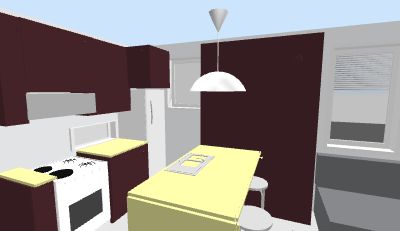
I also discovered a free computer assisted design program, Sweet Home 3D.  I’m still learning the program, but it allowed me to use our plans to draw a 3D rendition of our kitchen and sitting area:

upstairsMetro.jpgIt’s still crude (like I said, I’m still learning) but we are able to visualize so much better — I cannot look at two dimensional drawings and “see” in my mind where things will go.  For instance, we were hoping to use our current coffee table, actually a carved wooden chest with a slab of glass on it.  But when I tried to fit it into the 3D rendition, it was clear that it would block the flow to the deck door.  It looked possible in the floor plan, but in 3D it was unworkable.

What is ahead for us is:  electrical and outdoor sheathing inspection, building paper and rain screening, then the metal roofing and siding installation.  Then more inspections and then…..DRYWALL!  So we are going to see some major changes soon.

Also we are waiting for the city to connect the water to the main house and the laneway — that will mean the main house can fill in the trench that currently leads from their front yard to the laneway — ugly and dangerous with a toddler around.

My Pain, My Life, My Struggles, My Fight

Come walk with me, Down My Dark & Stormy Journey BUSINESS INQUIRIES & CONTACT EMAIL : GODSCHILD4048@GMAIL.COM

ANNOTATED AUDREY BLOG

Artist and Desert Dweller with Big City Style.

Im ashamed to die until i have won some victory for humanity.

Domenic Garisto / LIFE IS NOT A REHERSAL,SO LIVE IT..if you can't be the poet, be the poem..havau22.com

The Lady Who Lives Down the Lane

Lane Way Housing for the Nervous Novice

Apartment Therapy| Saving the world, one room at a time

Lane Way Housing for the Nervous Novice

Slightly Snug House

building a home that's not too big and not too small

Vancouverandy

Funny thoughts from a nut like me.

Small House Bliss

Small house designs with big impact

WeeHavyn

Lane Way Housing for the Nervous Novice